

In memory of Paul Anders Brunes · 1978–2010
Paul Brunes
Young Heart
Foundation
Funding research and diagnosis of inherited heart rhythm disorders at Vancouver General Hospital
His Story
Paul Anders Brunes



Paul was born in the fall of 1978. From a very early age he was energetic, rambunctious, and sports oriented. He had an infectious smile that made you happy, transcending social boundaries.
Paul was an avid athlete, and his sports included soccer, rugby, ice hockey, golf, skiing, snowboarding, wakeboarding, motocross, and snowmobiling. He was easygoing and one of the most generous people you could ever meet.
Starting in his late teens, Paul complained on several occasions of a racing heartbeat. He sought medical attention on numerous occasions and underwent tests, but was never diagnosed with a heart ailment. Multiple ER and GP visits with EKGs, echocardiograms, blood tests, and 24-hour heart monitors all came back inconclusive.
In January of 2010, a major incident occurred. Paul was snowmobiling with friends when he passed out. He woke up on his own and attributed the incident to a lack of oxygen from his helmet being packed with snow. He again went to a general practitioner and had the full cardiac workup — all results were inconclusive, but due to the seriousness of the incident, a referral to a cardiologist was made.
On Saturday, March 13, 2010, while snowmobiling, Paul did not survive. He was 31 years old.
The Paul Brunes Foundation was founded shortly thereafter by the Brunes family. Their goal: to partner with VGH & UBC Hospital Foundation to raise funds for a Professorship in Heart Rhythm Disorders at Vancouver General Hospital — so that others like Paul can be diagnosed and treated before it's too late.
The Legacy
Professorship in Heart Rhythm Disorders
"Our partnership with VGH & UBC Hospital Foundation enabled us to fundraise for this incredible professorship named after our son, Paul Brunes. We fear that his shortened life will have not been in vain and truly believe that this Professorship will help so many families in British Columbia and beyond." — Per Brunes, Paul's father
On October 19, 2012, Dr. Andrew Krahn was appointed as the Paul Brunes UBC Professorship in Heart Rhythm Disorders. Dr. Krahn also serves as Head of the Division of Cardiology at UBC's Faculty of Medicine and Head of the VGH Pacemaker Clinic.
Dr. Krahn's responsibilities include treating patients via heart rhythm devices, researching inherited arrhythmias, and building a province-wide network to diagnose an estimated 7,000 British Columbians living with inherited cardiac arrhythmias.
Recruited from the University of Western Ontario with 245 peer-reviewed papers and a presidency of the Canadian Heart Rhythm Society, Dr. Krahn brought world-class expertise to British Columbia. His prior national study on genetic conditions in sudden cardiac arrest survivors laid the groundwork for BC's program.
The professorship was supported by $1.6 million from donors and $750,000 from Cardiac Services BC.
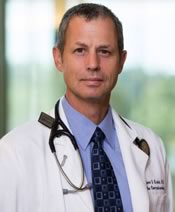
Dr. Andrew Krahn
Paul Brunes UBC Professorship in Heart Rhythm Disorders
Head, Division of Cardiology, UBC Faculty of Medicine
The Impact
BC Inherited Arrhythmia Program
400+
Patients seen per year
500+
Research registry patients
7,000
BC residents with inherited conditions
50K
Canadians with heart rhythm disorders
Did You Know?
Approximately 50,000 Canadians have an inherited heart rhythm disorder — many are unaware they have a potentially life-threatening condition.
While most sudden cardiac deaths occur in the elderly, up to 2% occur in young people aged 40 and under.
Approximately one-third of those deaths are unexplained — no physical cause is found at autopsy. These may be caused by inherited arrhythmias that leave no structural trace.
The multi-disciplinary BC Inherited Arrhythmia Program clinic opened in Fall 2012 at St. Paul's and VGH Hospital. The team includes specialists in cardiology, medical genetics, pediatrics, genetic counseling, and nursing.
Conditions studied include Long QT syndrome, Right Ventricular Cardiomyopathy, Catecholaminergic Polymorphic Ventricular Tachycardia, and Brugada syndrome. The most common referral is family evaluation after a sudden death, and the most common diagnosis — Long QT syndrome — is treatable with a daily beta blocker.
The program hosts 3 national registries (CASPER, LQTS, ARVC) and operates satellite clinics in Prince George, Terrace, Kelowna, and Royal Columbian Hospital, extending access across British Columbia.
Funding from the Heart and Stroke Foundation, CIHR, and CANNeCTIN supports ongoing research. The program received $498,832 in SSC funding for its first three years beginning March 2013.
Take Action
How You Can Help
Your continued support makes the Professorship in Heart Rhythm Disorders possible and helps save young lives across British Columbia.
Make a Donation
Donate online through VGH & UBC Hospital Foundation. All donations of $25 or more receive a charitable tax receipt.
Donate NowBy Phone or Mail
Call 604.875.4676 or toll-free 1.877.875.4676
Visa and Mastercard accepted. Please specify "Paul Brunes — Professorship".
By mail: Cheque payable to "VGH & UBC Hospital Foundation" with memo "Paul Brunes — Professorship"
VGH & UBC Hospital Foundation
190-855 West 12th Avenue
Vancouver, BC V5Z 1M9
Organize an Event
Organize your own fundraising event with friends, family, or coworkers. No matter how big or small, your support is appreciated.
For questions about events, contact
events@vghfoundation.ca
or call (604) 875-4676
In the News
Press
North Shore News · May 3, 2015
Getting to the Heart of the Matter
"Every place I am, I have a picture with me of Paul. After Paul's passing, I wanted to do something." — Per BrunesRead the full article
Help Save Young Hearts
Every donation brings us closer to diagnosing the estimated 7,000 British Columbians living with inherited heart rhythm disorders.
Donate Now